Turkish Textile Sector 2026: Production Capacity, Exports, and Trends
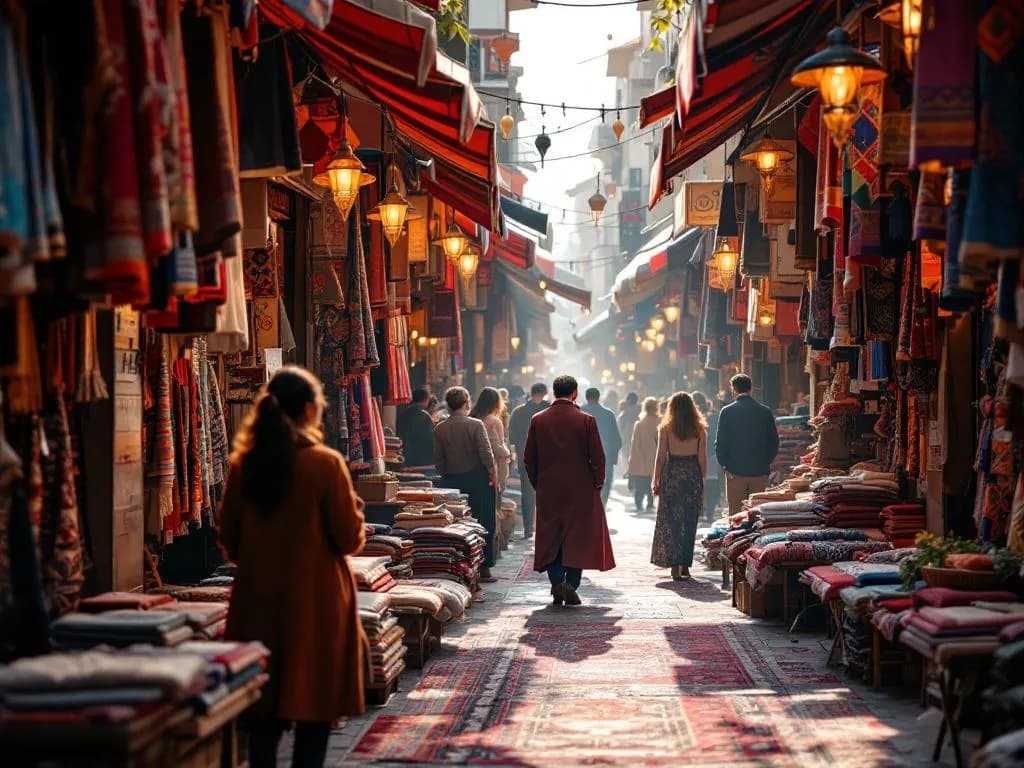
The Turkish Textile Sector's Global Position
Turkey holds a strategic position in the global textile and apparel trade. With an export volume of $23.4 billion as of 2025, the sector aims to reach $25 billion in 2026. Ranking 7th globally in textile trade, Turkey is the 3rd largest textile supplier to the European Union.
Multiple factors have contributed to the sector's strong position, led by geographic location, skilled workforce, vertically integrated production structure, and the Customs Union agreement with the European Union.
The Turkish textile sector is one of the few countries in the world that offers a fully integrated production chain from raw material to finished product. This structure provides significant advantages in terms of quality control, cost optimization, and rapid delivery.
The Turkish Textile Sector in Numbers (2026)
| Indicator | Value |
|---|---|
| Total export volume | $23.4 billion (2025) |
| 2026 target | $25 billion |
| Number of companies | 65,000+ |
| Employment | 1.2 million+ (direct) |
| Share of total manufacturing exports | 17.5% |
| Share of exports to the EU | 62% |
| Global ranking | 7th (exports) |
Production Capacity and Infrastructure
Yarn Production
Turkey ranks 6th in the world in cotton yarn production. Annual yarn production capacity stands at 2.8 million tons. The country has a total of 8 million spindles and 350,000 rotors. All major yarn technologies — ring, open-end, compact, and vortex — are in use.
Modern yarn mills in the Southeastern Anatolia region in particular have surpassed world standards through investments in recent years. Facilities in Gaziantep, Kahramanmaras, and Adiyaman have the capacity to produce hundreds of tons of yarn daily.
Fabric Production
Turkey is Europe's largest producer of woven and knitted fabrics. Annual fabric production has surpassed 3.5 billion square meters. A wide product range is offered across denim, jersey, woven fabrics, technical textiles, and home textile fabrics.
Garment Production
Annual garment production in Turkey reaches 2.5 billion pieces. Globally competitive production is carried out in categories including T-shirts, shirts, trousers, jackets, outerwear, and sportswear. The sector's particular strength in the fast fashion segment is its 2–4 week turnaround from design to production.
Turkey's Textile Production Regions
Istanbul: The Heart of Fashion and Trade
Istanbul is the commercial hub and fashion capital of the Turkish textile sector. More than 15,000 textile and apparel companies operate in the city. Districts such as Laleli, Merter, Osmanbey, and Gungoren are areas where wholesale trade is concentrated.
Istanbul's standout features:
- Fashion design centers and showrooms
- International textile fairs (ITF, Texhibition, Fashion Prime)
- High value-added product manufacturing
- Brand development and private label production capacity
- Logistics infrastructure and port connections
Bursa: The Engine of Production
Bursa is Turkey's production base, particularly in automotive textiles, home textiles, and technical textiles. High-volume production takes place in modern facilities within Organized Industrial Zones.
Subsectors concentrated in Bursa:
- Towel and bathrobe production (global market leader)
- Automotive upholstery fabrics
- Technical textiles and nonwoven products
- Yarn and fabric production
- Synthetic fabrics and polyester yarn
Denizli: The Capital of Home Textiles
Denizli is one of Turkey's and the world's leading cities in home textile production. It is a global force in towel, bathrobe, bed linen, and tablecloth manufacturing.
Denizli in numbers:
- 10% of the world's towel exports come from Denizli
- $2.5 billion in annual exports
- 1,500+ textile companies
- Leader in organic and sustainable production
Gaziantep: Center for Carpets and Technical Textiles
Gaziantep holds the global leadership position in machine-made carpet production. 25% of the world's machine carpet exports originate from Gaziantep. It has also become a significant center for yarn, nonwoven, and technical textile production.
Other Important Production Centers
- Kahramanmaras: Pioneer in yarn production, cotton and synthetic yarn
- Kayseri: Furniture fabric and upholstery production
- Corlu/Tekirdag: Denim and dyehouse operations
- Usak: Blankets and knitted fabrics
- Adana/Mersin: Cotton processing and yarn production
Key Trends of 2026
1. Sustainability and Green Manufacturing
The dominant trend of 2026 continues to be sustainability. The EU's Green Deal regulations are forcing the Turkish textile sector into rapid transformation. Key developments in the sector:
- 35% increase in organic cotton usage
- Widespread adoption of recycled polyester (rPET)
- Transition to ZDHC standards in chemical usage
- Carbon footprint reporting and reduction targets
- Water-saving dyeing technologies (ozone, nano, CO2 dyeing)
2. Digital Transformation and Industry 4.0
Turkish textile factories have accelerated their digital transformation investments:
- Real-time monitoring of production lines with IoT sensors
- AI-powered quality control systems
- Widespread adoption of digital printing technologies
- 3D virtual sample preparation and approval processes
- Integration of ERP and PLM systems
Digital transformation has increased production efficiency by an average of 20–30% in the Turkish textile sector while reducing waste rates by 15%. The sector's digital investments are expected to exceed $800 million in 2026.
3. Nearshoring Trend
The nearshoring trend, which accelerated in the post-pandemic period, continues to work strongly in Turkey's favor in 2026. European brands' tendency to shorten their supply chains is increasing order volumes directed toward Turkey.
Impact of nearshoring on Turkey:
- 18% increase in orders from European brands
- Momentum in new production facility investments
- Growth in mid-to-small batch orders (500–2,000 pieces)
- Increased value of rapid delivery capability
4. Technical Textiles and Innovation
Technical textiles represent the fastest-growing segment of the sector. Turkey's technical textile production is expected to reach $8.5 billion in 2026.
Leading technical textile areas:
- Medical textiles: Surgical gowns, masks, implants
- Automotive textiles: Airbag fabrics, interior upholstery
- Protective clothing: Firefighter, military, and occupational safety garments
- Geotextiles: For infrastructure projects
- Agrotextiles: Agricultural covers and filters
5. Circular Fashion and Recycling
Circular economy principles are rapidly integrating into the textile sector:
- Increase in the number of textile recycling facilities
- Upcycling and zero-waste design approaches
- Extended Producer Responsibility (EPR) regulations
- Collaborations with secondhand clothing platforms
- Research into biodegradable materials
Export Markets and Targets
Current Core Markets
The regional distribution of Turkish textile exports:
- European Union (62%): Germany, Spain, UK, Italy, France
- Middle East and North Africa (15%): Iraq, Egypt, Saudi Arabia
- US and Canada (8%): Especially denim and home textiles
- CIS countries (7%): Russia, Ukraine, Kazakhstan
- Other (8%): Japan, South Korea, Australia
2026 Target Markets
Sector representatives and exporters' associations have identified growth strategies for the following markets in 2026:
- US market: Growth in denim and performance wear segments
- Japan and South Korea: Premium quality textile products
- Africa: Growing economies such as Ethiopia, Kenya, and Nigeria
- South America: Market development in Brazil and Mexico
- India: Technical textile and machinery exports
Challenges Facing the Sector
Cost Pressures
- Rising energy costs
- Raw material price volatility
- Impact of minimum wage increases on production costs
- Exchange rate volatility
Competition
- Low-cost advantage of Bangladesh, Vietnam, and Cambodia
- China's economies of scale and technological superiority
- India's growing capacity
- Egypt and Morocco's proximity advantage to the EU
Structural Issues
- Qualified labor shortage
- Informal economy distorting competition
- Insufficient R&D spending
- Slow progress in brand value creation
Opportunities and Strategic Recommendations
Value-Added Growth
Sustainable growth in the Turkish textile sector requires a shift toward value-added products. The transition from contract manufacturing to branded production is the most critical factor that will determine the sector's future competitiveness.
Recommended strategies:
- Increasing original design and collection development capacity
- Strengthening digital marketing and e-export channels
- Investment in technical textiles and functional products
- Expanding R&D centers and university-industry collaborations
- Widespread adoption of sustainability certifications
Government Support and Incentives
Key government support programs for the textile sector in 2026:
- VAT exemption and customs duty waiver under investment incentive certificates
- KOSGEB support: Machinery-equipment, R&D, digitalization
- TUBITAK R&D and innovation projects
- Export support: Fair participation, promotion, market research
- Green transformation support: Energy efficiency, environmental investments
Conclusion
The Turkish textile sector is navigating a period full of both opportunities and challenges in 2026. Global trends such as nearshoring, sustainability demand, and digital transformation are reshaping the sector.
The sector's achievement of its $25 billion export target depends on its capacity to shift toward value-added products, complete its digital transformation, and comply with sustainability standards. Turkey's geographic advantage, integrated production structure, and flexible manufacturing capacity provide a strong foundation for achieving these goals.
For international buyers, Turkey will continue to be a strategic textile sourcing hub where quality, speed, and flexibility converge.