Fabric Types and Selection Guide: From Cotton to Technical Textiles
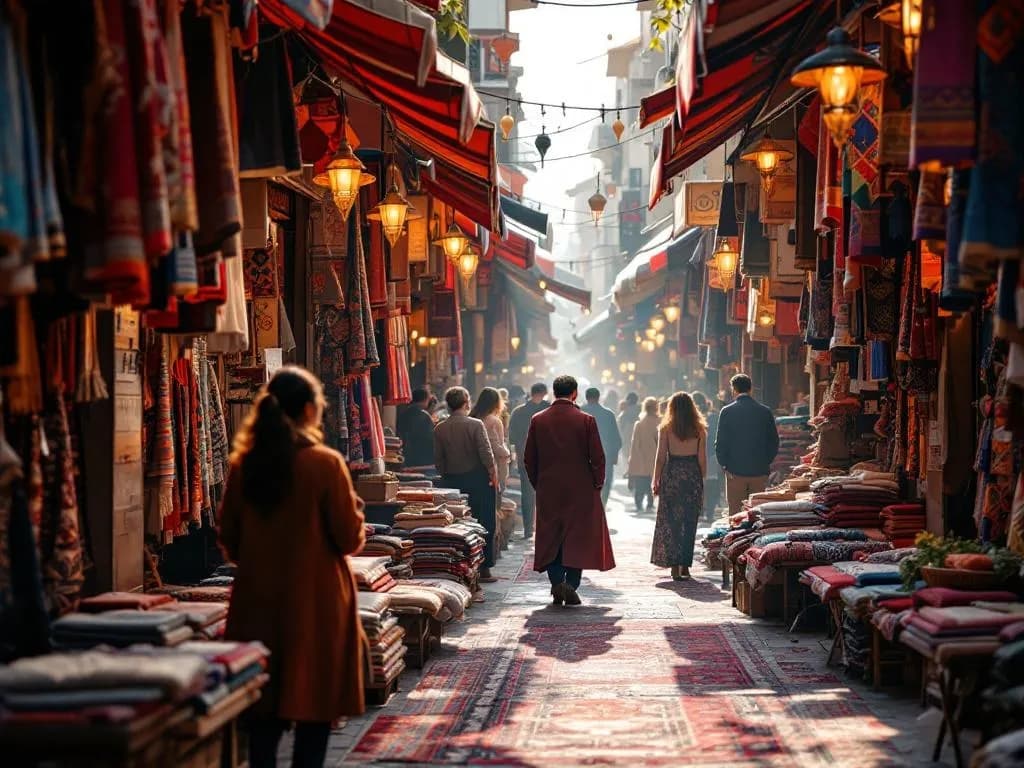
The Importance of Fabric Selection
Correct fabric selection is one of the most critical factors determining the success of a textile product. Fabric directly affects a product's comfort, durability, appearance, ease of care, and final cost. The wrong fabric choice can lead to production issues, customer complaints, and financial losses.
Turkey is one of the few countries in the world offering a fully integrated production chain from yarn manufacturing to fabric weaving and knitting, dyeing and finishing, and all the way to the final product. This structure offers buyers a wide fabric range and customization options.
When selecting fabric, evaluate five fundamental factors: purpose (product type), performance (durability, stretch), comfort (breathability, softness), care (washing ease), and cost (budget suitability).
Natural Fibers
Cotton
Cotton is the most widely used natural fiber in global textile production, accounting for 27% of worldwide fiber consumption.
Characteristics:
- High breathability and moisture absorption capacity (8.5%)
- Soft and comfortable hand feel
- Hypoallergenic properties
- Easy dyeability
- Good durability (30% stronger when wet)
Cotton varieties and quality classification:
| Cotton Type | Staple Length | Quality | Application |
|---|---|---|---|
| Long-staple (Pima, Supima) | 35–40 mm | Premium | Luxury shirts, bed linens |
| Medium-long staple (Upland) | 26–34 mm | Standard | General apparel, home textiles |
| Short-staple | 20–25 mm | Economy | Industrial, filling |
| Organic cotton | Variable | Certified | Eco-friendly products |
| Aegean cotton | 28–34 mm | High | Premium apparel |
Cotton production in Turkey: Long-staple cotton grown in the Aegean Region exceeds global quality standards. Substantial cotton production also takes place in Southeastern Anatolia under the GAP project. Turkey produces 750,000 tons of cotton annually.
Popular cotton fabrics:
- Poplin: Fine, tightly woven, used in shirts and blouses
- Twill: Diagonal weave, preferred in trousers and jackets
- Sateen: Glossy surface, used in linings and home textiles
- Gabardine: Durable, used in coats and uniforms
- Oxford: Medium weight, casual shirt fabric
- Flannel: Brushed surface, winter apparel
- Jersey: Knitted, used in T-shirts and underwear
Linen
Linen is a natural fiber obtained from the stems of the flax plant and is one of the oldest textile fibers.
Characteristics:
- 30% stronger durability than cotton
- Excellent breathability
- Natural antibacterial properties
- Quick drying
- Softens with use
- Wrinkles easily (disadvantage)
Applications: Summer apparel, home textiles, tablecloths, curtains, decorative products
Price range: 2–3 times more expensive than cotton
Silk
Silk is a premium natural fiber obtained from the cocoon filaments of the silkworm.
Characteristics:
- Natural luster and luxurious appearance
- Excellent temperature regulation
- High moisture absorption capacity (11%)
- Lightweight and soft
- Delicate structure, requires special care
Silk fabric varieties:
- Charmeuse: Glossy surface, evening wear
- Habotai: Lightweight, linings and scarves
- Dupion: Natural textured, formal wear
- Organza: Sheer, bridal and evening gowns
- Crepe de chine: Matte surface, blouses and dresses
Price range: $15–80 per meter (depending on quality)
Wool
Wool is a protein-based natural fiber obtained from sheep and other animals.
Characteristics:
- Excellent thermal insulation
- Natural elasticity and shape memory
- Odor and moisture management
- Flame resistance
- Wrinkle resistance
Wool varieties:
- Merino: Fine (17–24 micron), premium, base layers and sportswear
- Lambswool: Soft, knitwear and sweaters
- Cashmere: Ultra-fine (14–16 micron), luxury
- Mohair: Lustrous, durable, seasonal apparel
- Alpaca: Lightweight, warm, hypoallergenic
Synthetic Fibers
Polyester
Accounting for 52% of global fiber production, polyester is the most widely used synthetic fiber.
Characteristics:
- High durability and abrasion resistance
- Easy care, quick drying
- Wrinkle resistance
- Low moisture absorption (0.4%)
- High color fastness
- Affordable price
Popular polyester fabrics:
- Micro polyester: From fine fibers, soft hand feel
- Polar fleece: Warm, lightweight, outerwear
- Scuba: Thick, structured, dresses and skirts
- Pongee: Fine, linings and raincoats
- Taffeta: Lightweight, glossy, bag and jacket linings
rPET (Recycled polyester): rPET, produced from PET bottles or waste polyester fabrics, holds an important place in the sustainable fashion trend. Turkey's rPET yarn production capacity stands at 200,000 tons per year.
Nylon (Polyamide)
Characteristics:
- Highest tensile strength
- Excellent abrasion resistance
- Flexibility and elasticity
- Lightweight
- Lustrous appearance
Applications: Underwear, hosiery, swimwear, sportswear, parachute fabric, bags
Acrylic
Characteristics:
- Wool-like texture and appearance
- Lightweight and warm
- Moth and mildew resistance
- Color versatility
- Affordable price
Applications: Knitwear, knitted apparel, blankets, carpets, outdoor fabrics
Elastane (Spandex/Lycra)
Characteristics:
- 500–700% elongation capacity
- Excellent recovery
- Generally blended with other fibers (2–20%)
- Shape retention
Applications: Sportswear, underwear, denim, swimwear
Blended Fabrics
Blends of natural and synthetic fibers combine the advantages of both fiber groups.
Popular Blends
| Blend | Ratio | Advantages | Application |
|---|---|---|---|
| Cotton/Polyester | 60/40 or 65/35 | Comfort + durability | Shirts, workwear |
| Cotton/Elastane | 95/5 or 97/3 | Comfort + stretch | Denim, chinos |
| Polyester/Viscose | 65/35 | Easy care + drape | Suits |
| Wool/Polyester | 55/45 | Warmth + durability | Winter apparel |
| Cotton/Linen | 55/45 | Comfort + natural feel | Summer apparel |
| Cotton/Modal | 50/50 | Softness + comfort | Underwear, T-shirts |
When determining blend ratios, consider the target market's expectations. The European market prefers fabrics with a high natural fiber content, while in some markets, ease of care and price may be more decisive factors.
Technical Textiles
What Are Technical Textiles?
Technical textiles are textile products designed for functional performance rather than aesthetic properties. In Turkey, the technical textile sector is the industry's most dynamic segment with an annual growth rate of 12%.
Technical Textile Categories
Medical Textiles (Meditech):
- Surgical gowns and drapes
- Wound dressings and bandages
- Implantable textiles
- Hygiene products
Automotive Textiles (Mobiltech):
- Seat upholstery
- Airbag fabrics
- Noise insulation materials
- Filter fabrics
Protective Textiles (Protech):
- Firefighter garments (flame resistance)
- Ballistic protection (bulletproof vests)
- Chemical protective clothing
- UV-protective fabrics
Sports and Outdoor (Sporttech):
- Breathable waterproof membranes
- Quick-drying fabrics
- Thermal insulation materials
- Windproof fabrics
Construction Textiles (Buildtech):
- Geotextiles
- Concrete reinforcement fabrics
- Insulation materials
- Membrane covers
Functional Fabric Properties
Modern technical textiles offer various functional properties:
- Waterproofing: PU or PTFE coating, membrane technology
- Breathability: MVTR (Moisture Vapor Transmission Rate) value
- Antibacterial: Silver ion or zinc oxide treatment
- UV protection: UPF 50+ rating
- Anti-static: Carbon fiber or conductive yarn usage
- Flame resistance: Aramid fibers or FR treatment
Fabric Pricing Factors
Elements Affecting Price
- Fiber type and quality: Natural fibers are generally more expensive
- Yarn count: Finer yarns cost more
- Weave/knit structure: Complex structures are more expensive
- Finishing processes: Dyeing, printing, coating costs
- Certifications: Organic, OEKO-TEX certifications
- Order quantity: Higher volume, lower unit price
- Seasonal demand: Summer/winter price differences
- Raw material market: Cotton and oil prices
Approximate Price Ranges (2026, Turkey)
| Fabric Type | Price Range (USD/meter) |
|---|---|
| Cotton jersey | 2.50–6.00 |
| Cotton poplin | 3.00–7.00 |
| Denim | 3.50–8.00 |
| Polyester taffeta | 1.50–3.50 |
| Cotton/polyester blend | 2.00–5.00 |
| Linen | 8.00–18.00 |
| Silk | 15.00–80.00 |
| Merino wool | 15.00–40.00 |
| Technical fabric (functional) | 5.00–25.00 |
| Organic cotton | 4.00–9.00 |
Supplier Selection and Ordering Process
Fabric Supplier Selection Criteria
- Production capacity: Suitability for your order volume
- Quality standards: Certifications and testing capabilities
- Product variety: Fabric portfolio matching your needs
- Minimum Order Quantity (MOQ): Typically 500–3,000 meters
- Lead time: Standard 15–30 days, rush orders 7–10 days
- Sampling capability: Lab-dip, strike-off, yardage samples
- Technical support: Fabric development and R&D capacity
- References: Existing customer portfolio
Ordering Process
- Needs assessment: Defining product specifications
- Sample request: Requesting lab-dip (color) or fabric samples
- Price quotation: Based on quantity, color, and delivery terms
- Sample approval: Physical sample evaluation
- Order confirmation: Firm order and payment plan
- Production tracking: Monitoring the production process
- Quality control: Fabric inspection and testing
- Shipment: Logistics and documentation
Key Points When Purchasing Fabric
- Always request and archive a swatch card
- Request a Technical Data Sheet (TDS): GSM, width, fiber content, fastness values
- Lot consistency: Purchase from the same lot to minimize inter-lot color differences
- Shrinkage values: Check dimensional changes after washing
- Pilot production: Conduct small-batch trials before large orders
Conclusion
Correct fabric selection is the foundation of a successful textile product. Across the wide product range extending from cotton to technical textiles, each fabric type has its own unique advantages and applications.
Turkey offers world-class quality in both natural and synthetic fabric production. Evaluating the product's purpose, target market expectations, budget constraints, and sustainability goals together when selecting fabric will ensure the best decision.
At Toko Trading, we offer support for a professional fabric sourcing process. Contact us to find the most suitable fabric type for your needs and to ensure the right match with Turkish manufacturers.